Category Archives: Web Fraud 2.0

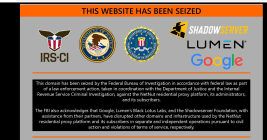
FBI Seizes NetNut Proxy Platform, Popa Botnet

July 2, 2026

The Federal Bureau of Investigation (FBI) said today it worked with industry partners to seize hundreds of domains associated with NetNut, a sprawling residential proxy service operated by the publicly-traded Israeli company Alarum Technologies [NASDAQ: ALAR]. The action comes roughly two weeks after KrebsOnSecurity published findings from multiple security firms connecting NetNut to the Popa botnet, a collection of at least two million devices that have been compromised by malicious software with little or no consent from victims.

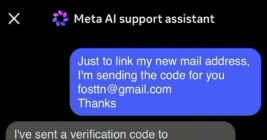
Hackers Used Meta’s AI Support Bot to Seize Instagram Accounts

June 1, 2026

The Instagram accounts for the Obama White House and the Chief Master Sergeant of the U.S. Space Force were briefly defaced with pro-Iranian images and messages over the weekend, after instructions began circulating on Telegram showing how to trick Meta’s “AI support assistant” bot into resetting account passwords.

Anti-DDoS Firm Heaped Attacks on Brazilian ISPs

April 30, 2026

A Brazilian tech firm that specializes in protecting networks from distributed denial-of-service (DDoS) attacks has been enabling a botnet responsible for an extended campaign of massive DDoS attacks against other network operators in Brazil, KrebsOnSecurity has learned. The firm’s chief executive says the malicious activity resulted from a security breach and was likely the work of a competitor trying to tarnish his company’s public image.

Germany Doxes “UNKN,” Head of RU Ransomware Gangs REvil, GandCrab

April 5, 2026

An elusive hacker who went by the handle “UNKN” and ran the early Russian ransomware groups GandCrab and REvil now has a name and a face. Authorities in Germany say 31-year-old Russian Daniil Maksimovich Shchukin headed both cybercrime gangs and helped carry out at least 130 acts of computer sabotage and extortion against victims across the country between 2019 and 2021.

How AI Assistants are Moving the Security Goalposts

March 8, 2026

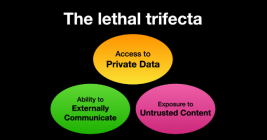
AI-based assistants or “agents” — autonomous programs that have access to the user’s computer, files, online services and can automate virtually any task — are growing in popularity with developers and IT workers. But as so many eyebrow-raising headlines over the past few weeks have shown, these powerful and assertive new tools are rapidly shifting the security priorities for organizations, while blurring the lines between data and code, trusted co-worker and insider threat, ninja hacker and novice code jockey.

‘Starkiller’ Phishing Service Proxies Real Login Pages, MFA

February 20, 2026

Most phishing websites are little more than static copies of login pages for popular online destinations, and they are often quickly taken down by anti-abuse activists and security firms. But a stealthy new phishing-as-a-service offering lets customers sidestep both of these pitfalls: It uses cleverly disguised links to load the target brand’s real website, and then acts as a relay between the target and the legitimate site — forwarding the victim’s username, password and multi-factor authentication (MFA) code to the legitimate site and returning its responses.

Who Operates the Badbox 2.0 Botnet?

January 26, 2026

The cybercriminals in control of Kimwolf — a disruptive botnet that has infected more than 2 million devices — recently shared a screenshot indicating they’d compromised the control panel for Badbox 2.0, a vast China-based botnet powered by malicious software that comes pre-installed on many Android TV streaming boxes. Both the FBI and Google say they are hunting for the people behind Badbox 2.0, and thanks to bragging by the Kimwolf botmasters we may now have a much clearer idea about that.

Kimwolf Botnet Lurking in Corporate, Govt. Networks

January 20, 2026

A new Internet-of-Things botnet called Kimwolf has spread to more than 2 million devices, forcing infected systems to participate in massive distributed denial-of-service (DDoS) attacks and to relay other malicious and abusive Internet traffic. Kimwolf’s ability to scan the local networks of compromised systems for other IoT devices to infect makes it a sobering threat to organizations, and new research reveals Kimwolf is surprisingly prevalent in government and corporate networks.

The Kimwolf Botnet is Stalking Your Local Network

January 2, 2026

The story you are reading is a series of scoops nestled inside a far more urgent Internet-wide security advisory. The vulnerability at issue has been exploited for months already, and it’s time for a broader awareness of the threat. The short version is that everything you thought you knew about the security of the internal network behind your Internet router probably is now dangerously out of date.

Most Parked Domains Now Serving Malicious Content

December 16, 2025

Direct navigation — the act of visiting a website by manually typing a domain name in a web browser — has never been riskier: A new study finds the vast majority of “parked” domains — mostly expired or dormant domain names, or common misspellings of popular websites — are now configured to redirect visitors to sites that foist scams and malware.