Tag Archives: residential proxies

Who Operates the Badbox 2.0 Botnet?
January 26, 2026

The cybercriminals in control of Kimwolf — a disruptive botnet that has infected more than 2 million devices — recently shared a screenshot indicating they’d compromised the control panel for Badbox 2.0, a vast China-based botnet powered by malicious software that comes pre-installed on many Android TV streaming boxes. Both the FBI and Google say they are hunting for the people behind Badbox 2.0, and thanks to bragging by the Kimwolf botmasters we may now have a much clearer idea about that.

Kimwolf Botnet Lurking in Corporate, Govt. Networks

January 20, 2026

A new Internet-of-Things botnet called Kimwolf has spread to more than 2 million devices, forcing infected systems to participate in massive distributed denial-of-service (DDoS) attacks and to relay other malicious and abusive Internet traffic. Kimwolf’s ability to scan the local networks of compromised systems for other IoT devices to infect makes it a sobering threat to organizations, and new research reveals Kimwolf is surprisingly prevalent in government and corporate networks.

Who Benefited from the Aisuru and Kimwolf Botnets?

January 8, 2026

Our first story of 2026 revealed how a destructive new botnet called Kimwolf rapidly grew to infect more than two million devices by mass-compromising a vast number of unofficial Android TV streaming boxes. Today, we’ll dig through digital clues left behind by the hackers, network operators, and cybercrime services that appear to have benefitted from Kimwolf’s spread.

The Kimwolf Botnet is Stalking Your Local Network

January 2, 2026

The story you are reading is a series of scoops nestled inside a far more urgent Internet-wide security advisory. The vulnerability at issue has been exploited for months already, and it’s time for a broader awareness of the threat. The short version is that everything you thought you knew about the security of the internal network behind your Internet router probably is now dangerously out of date.

Is Your Android TV Streaming Box Part of a Botnet?

November 24, 2025

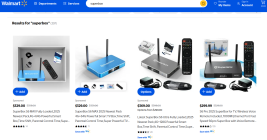
On the surface, the Superbox media streaming devices for sale at retailers like BestBuy and Walmart may seem like a steal: They offer unlimited access to more than 2,200 pay-per-view and streaming services like Netflix, ESPN and Hulu, all for a one-time fee of around $400. But security experts warn these TV boxes require intrusive software that forces the user’s network to relay Internet traffic for others, traffic that is often tied to cybercrime activity such as advertising fraud and account takeovers.

DSLRoot, Proxies, and the Threat of ‘Legal Botnets’

August 26, 2025

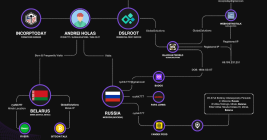
The cybersecurity community on Reddit responded in disbelief this month when a self-described Air National Guard member with top secret security clearance began questioning the arrangement they’d made with company called DSLRoot, which was paying $250 a month to plug a pair of laptops into the Redditor’s high-speed Internet connection in the United States. This post examines the history and provenance of DSLRoot, one of the oldest “residential proxy” networks with origins in Russia and Eastern Europe.

Proxy Services Feast on Ukraine’s IP Address Exodus

June 5, 2025

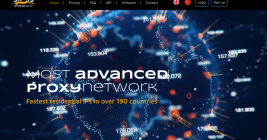
Ukraine has seen nearly one-fifth of its Internet space come under Russian control or sold to Internet address brokers since February 2022, a new study finds. The analysis indicates large chunks of Ukrainian Internet address space are now in the hands of proxy and anonymity services nested at some of America’s largest Internet service providers (ISPs).

Treasury Sanctions Creators of 911 S5 Proxy Botnet

May 28, 2024

The U.S. Department of the Treasury today unveiled sanctions against three Chinese nationals for allegedly operating 911 S5, an online anonymity service that for many years was the easiest and cheapest way to route one’s Web traffic through malware-infected computers around the globe. KrebsOnSecurity identified one of the three men in a July 2022 investigation into 911 S5, which was massively hacked and then closed ten days later.

Who and What is Behind the Malware Proxy Service SocksEscort?

July 25, 2023

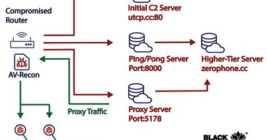
Researchers this month uncovered a two-year-old Linux-based remote access trojan dubbed AVrecon that enslaves Internet routers into botnet that bilks online advertisers and performs password-spraying attacks. Now new findings reveal that AVrecon is the malware engine behind a 12-year-old service called SocksEscort, which rents hacked residential and small business devices to cybercriminals looking to hide their true location online.

Giving a Face to the Malware Proxy Service ‘Faceless’

April 18, 2023

For the past seven years, a malware-based proxy service known as “Faceless” has sold anonymity to countless cybercriminals. For less than a dollar per day, Faceless customers can route their malicious traffic through tens of thousands of compromised systems advertised on the service. In this post we’ll examine clues left behind over the past decade by the proprietor of Faceless, including some that may help put a face to the name.